Therapeutic design · Development strategy · Valuation

İstanbul · Working internationally

Biotechnology
development
& valuation.

Vivio designs engineered therapeutics, plans the evidence needed for development, and evaluates their costs and commercial potential. We also assess biotechnology startups and therapeutic assets using our own valuation methodology.

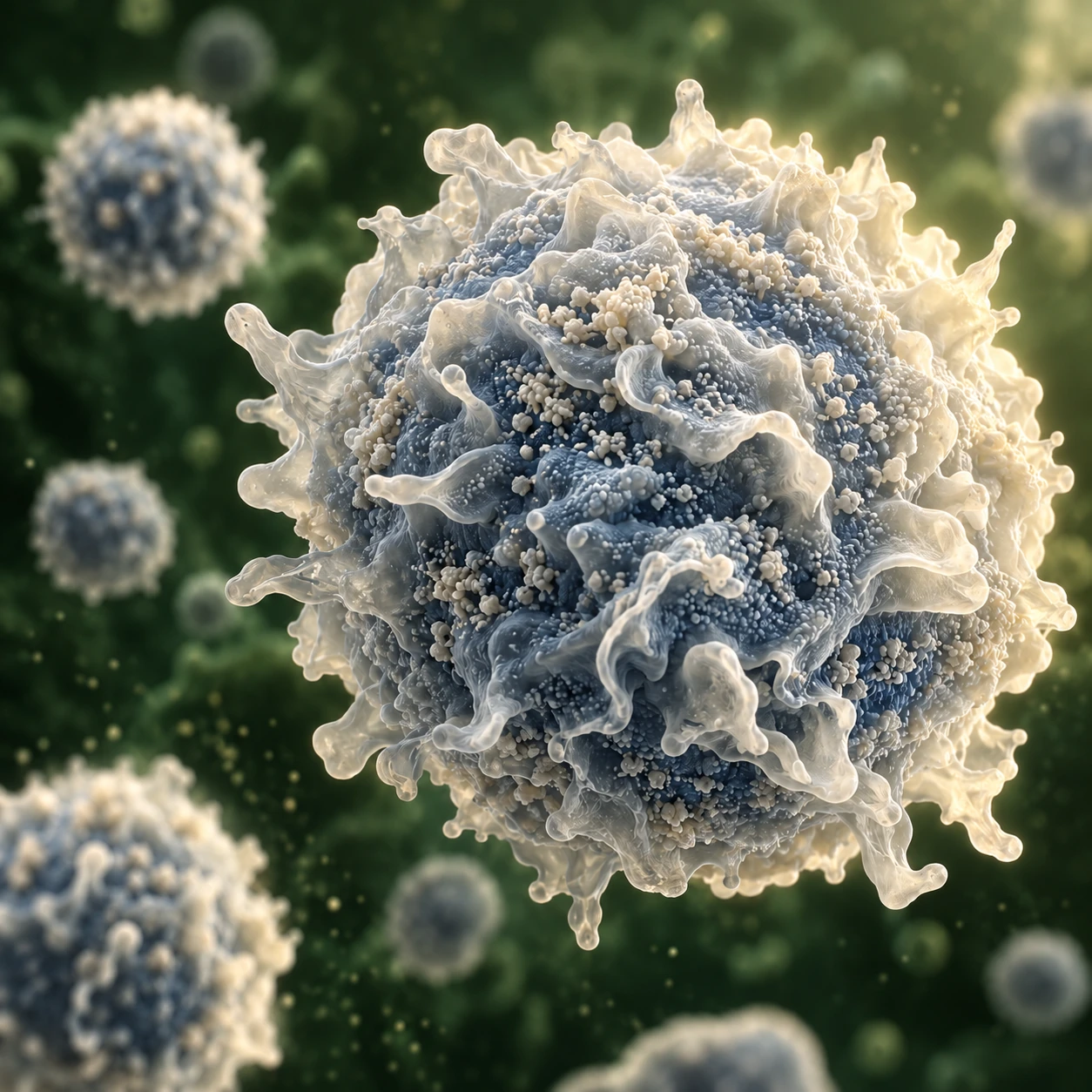
Conceptual immune-cell artwork behind an interactive guide to Vivio’s expertise
Explore our expertise

Allogeneic cell therapies

Off-the-shelf cell therapies raise specific questions about immune rejection and product consistency. We address hypoimmune design, NK-cell “missing-self” recognition and development from a defined iPSC clone.

Explore allogeneic cell design

Our expertise

Research, development
and economic assessment.

We can contribute to a specific design question or coordinate a wider programme. Assignments range from candidate selection and preclinical study design to consortium development, grant budgets and scientific diligence.

Therapeutic & genome-engineering design

Engineered antibodies, allogeneic cell products, clonal iPSC strategies and therapeutic function.

We develop therapeutic concepts and the plans needed to test them. Our work covers engineered antibodies, including bispecific formats, and cell therapies. Target selection, immune compatibility, manufacturability and the route to a reproducible product are considered from the outset.

Allogeneic cell therapies

Immune compatibility & clonal products

Hypoimmune engineering & missing-self recognition

Reducing HLA expression can limit T-cell recognition while exposing a cell to NK-cell “missing-self” responses. We assess how a hypoimmune strategy addresses both, and what evidence is needed to evaluate persistence, retained function and safety.

Single-clone-derived cell therapeutics

We plan the development of products derived from a defined engineered iPSC clone: starting-line suitability, clone selection and qualification, cell banking and differentiation. Genomic integrity and potency need to be assessed in the resulting therapeutic cells, alongside consistency across batches.

Product and manufacturing feasibility

Cell source, engineering complexity and differentiation choices affect the number of functional cells a process can deliver. We include viable yield, recovery after thawing, release requirements and cost per usable dose in candidate comparisons.

Therapeutic genomic design

Target recognition, function & control

CAR and target-selection strategy

Our design experience includes NK cells, T cells, regulatory T cells and dendritic cells. We assess target distribution and the intended immune effect, including how recognition could distinguish diseased tissue from healthy or repair-supporting cells.

Gene editing & regulated expression

We compare knockout, targeted integration and gene-regulation approaches against the function required. Design work includes multi-gene constructs, safe-harbour integration and conditional expression, with attention to whether the added complexity is justified.

Safety controls & candidate validation

We define how inducible safety controls, potency and selectivity should be assessed. Where suitable, transient expression can test a design before stable clone development. Matched comparators help establish what each modification contributes.

Typical outputs

A target and modality assessment, an engineering rationale, a clone-qualification plan and a preclinical study plan with candidate-selection criteria.

Discuss a design question

NAMs & preclinical development

Human-relevant models, efficacy and safety studies, and GLP planning.

We select new approach methodologies (NAMs), including organoids, organ-on-chip systems and human tissue models, according to the question a study must answer. Preclinical plans specify comparators, endpoints and criteria for progression. Where in vivo evidence is needed, we address model relevance, efficacy, biodistribution and safety, including GLP study planning with specialist partners.
Human-relevant modelsGLP study designTranslational evidence
What you receive

A study plan with model choices, comparators, endpoints and progression criteria, plus a costed sequence of work and specialist-facility requirements.

Clinical & regulatory translation

Scientific advice, CTA/IND-enabling studies and early-phase readiness.

We help identify the studies and documentation needed before clinical entry, prepare questions for scientific advice and plan CTA/IND-enabling work. The team contributes experience in early-phase clinical operations, GCP, quality systems and project delivery.
Early clinical planningScientific adviceGCP & quality
What you receive

A clinical-entry gap assessment, a CTA/IND-enabling workplan and a scientific-advice question pack, with responsibilities and dependencies.

Research programmes & funding

Proposal writing, consortium coordination, workplans and budgets.

We develop research proposals and coordinate consortia, including Horizon Europe and EIC applications. We define partner responsibilities, dependencies, milestones and budgets, then check that the workplan supports the scientific objectives. Economic assessment and regulatory planning inform the exploitation plan and funding requirements.
Horizon Europe & EICConsortium coordinationGrant economics
What you receive

A submission-ready proposal, partner work packages, milestones and budget, with an exploitation plan tied to the science. Funding schemes include Horizon Europe, EIC and relevant TÜBİTAK or TÜSEB calls.

Valuation & investment diligence

Scientific diligence, development-cost modelling and valuation scenarios.

Soner leads this work, drawing on his PhD in Pharmacology and Master of Finance. We use the Vivio model to connect scientific findings with development probabilities, timelines, costs and commercial assumptions. A clear comparison with the conventional case shows what changes the valuation and why.
rNPV · Comparables · Real optionsEarly HTAScientific & commercial diligence
What you receive

An evidence assessment and valuation model with conventional and Vivio cases, an explanation of the differences, and sensitivity and scenario analysis.

See the Vivio approach

Scientific focus

Cell therapies &
translational research.

Our project and proposal work includes engineered immune cells, disease-relevant models and studies of tissue selectivity. These are areas in which we contribute to scientific design and programme coordination.

Immune-cell design

Engineered immune cells

Our design work includes CAR-NK and CAR-T approaches, regulatory T cells and dendritic-cell therapies. The intended effect may be targeted killing, immune tolerance or antigen presentation.

  • Target and modality selection
  • Hypoimmune & clonal iPSC strategies
  • Cell function & inducible safety controls
Preclinical research

Disease models & tissue selectivity

We design studies to distinguish effects on diseased tissue from effects on healthy or repair-supporting cells. Model choice follows the candidate’s mechanism and intended indication.

  • Human tissue, organoids & organ-on-chip
  • Mechanistic controls & potency assays
  • Efficacy, biodistribution & safety planning

Indication strategy

Cancer, immune disease & ageing

Our research concepts address tumour recognition, antigen-specific tolerance and pathological senescence. In chronic disease, we consider how the tissue environment affects cell function and the capacity for repair.

  • Tumour recognition & immune escape
  • Antigen-specific immune regulation
  • Senescent-cell clearance & tissue repair

Design and oversight through Vivio, with experimental delivery organised through appropriate specialist facilities and research partners.

Explore a collaboration

The Vivio valuation model

From scientific evidence
to financial decisions.

A promising result matters when it changes a development or commercial assumption. Our methodology makes that connection explicit for therapeutic assets and the startups developing them.

01 / The comparison

Start with a relevant reference.

Therapeutic class, indication and stage define the historical comparison. An antibody and a cell therapy can face very different development and manufacturing questions.

02 / The evidence

Explain what changes.

Assess what the programme’s evidence adds, where it overlaps and whether it changes a probability, timeline, cost or commercial assumption.

03 / The decision

Show what drives value.

Compare the conventional and Vivio cases, test scenarios and identify the assumptions most capable of changing the conclusion.

For founders, developers and investors
An assessment of the science, a documented valuation, a comparison of the two approaches, and a clear view of the evidence and funding still needed.

Discuss a valuation

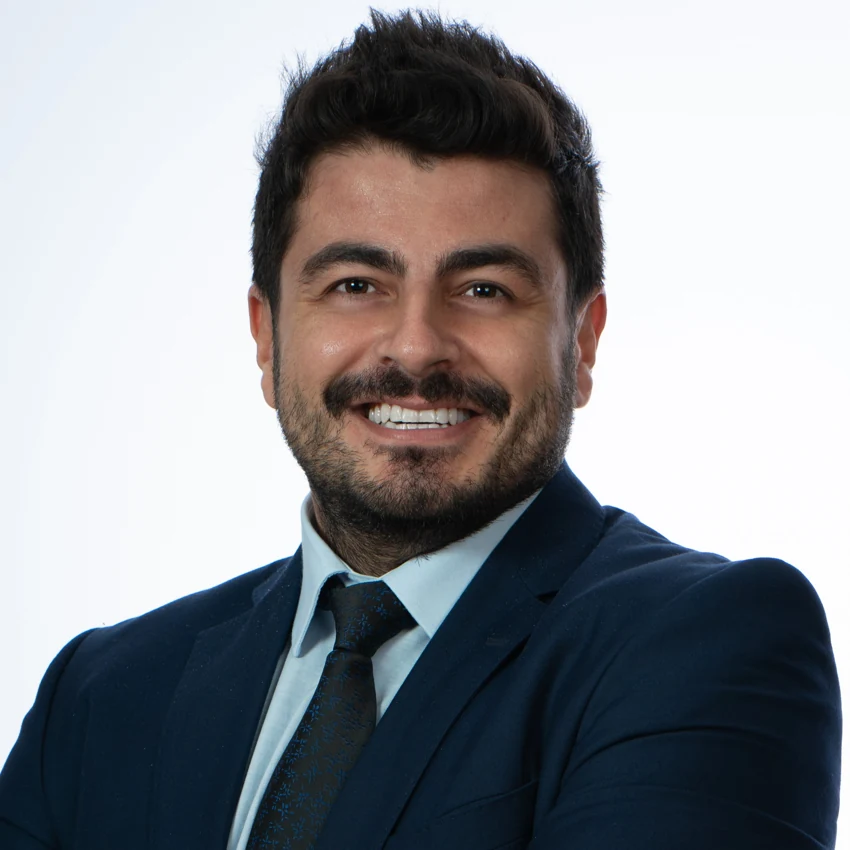
Founder & Managing Partner

Dr. Soner Gündemir

Dr. Soner Gündemir

PhDPharmacology
University of Rochester
MFinFinance
Sabancı University

Soner founded Vivio to bring therapeutic development and financial judgement into the same conversation. His experience spans research in the United States and United Kingdom, antibody engineering in industry, and the creation of regulated research infrastructure in Türkiye.

He leads Vivio’s scientific strategy and valuation work: what the evidence supports, which studies are needed, what they will cost and how their results could change the value of a programme.

Selected experience before and alongside Vivio

  • Antibody engineering · Nobel PharmaDesigned Türkiye’s first bispecific therapeutic antibody programme and secured TÜBİTAK 1003 support as principal investigator.
  • GLP infrastructure · İzmir Biomedicine and Genome CenterLed the team that designed, established and brought Türkiye’s first OECD GLP-compliant preclinical testing facility through certification.
  • Non-clinical GLP study designDesigned non-clinical GLP studies for more than 10 molecules.
  • Advanced therapies · Koç UniversityDeveloped a four-product iPSC-derived therapy strategy and contributed to a Horizon 2020 ERA Chairs project.

People at Vivio

Our team

İdil contributes to human-relevant model selection and experimental design. Cansu contributes to clinical planning, quality systems and the operational requirements of early-phase research.

İdil Orhon

İdil Orhon, PhD

NAMs & translational models

İdil’s background is in cell biology, organoids and organ-on-chip systems. She contributes to NAM strategy and study design, assessing which models and readouts are appropriate for the biological question.

OrganoidsOrgan-on-chipCell biology
Cansu Eğitimci

Cansu Eğitimci, PMP

Clinical operations & quality

Cansu’s experience includes establishing a high-risk Phase I trial centre. She contributes to early-phase clinical readiness, GCP, quality systems and project management, including the operational requirements for conducting studies.

Early-phase trialsGCP & qualityProject delivery

Pharmacology & finance

Development costs
and commercial viability.

A change in cell yield, study duration or the expected clinical benefit can change a programme’s economics. We model these assumptions for grant applications, biotechnology development and investment diligence.

Led by Soner Gündemir · PhD in Pharmacology + Master of Finance

For research programmes

Grant budgets & exploitation

We build budgets around the planned work, identify funding needs and assess routes to exploitation. Early health-economic analysis helps specify the benefit a product would need to offer relative to current care.

Programme budgets · Early HTA · Exploitation strategy

For biotechnology companies

Manufacturing cost & scale

We examine process yield, quality requirements, batch losses and scale to estimate manufacturing costs. Scenario analysis shows which changes could reduce cost per usable dose and how much development funding they may require.

Cost of goods · Process scenarios · Funding needs

For professional investors

Scientific & commercial diligence

We review preclinical evidence, differentiation from competing approaches and the studies still needed. Financial models then test the implications of development timelines, costs, clinical probabilities and market assumptions.

rNPV · Market comparables · Real options analysis

Independent analysis

Biotechnology
case studies.

Three independent studies of scientific differentiation, development choices and commercial potential. Request a report to explore the evidence and assumptions behind the analysis.

Antibody therapeutics

Avidicure

Scientific differentiation and development economics.

An independent assessment connecting preclinical evidence, development risks and financial scenarios.

· By requestRequest a copy

Cell therapy

OneChain Immunotherapeutics

Selectivity, escape and the CAR-T development path.

An assessment of the OC-1d dual-target programme, including target choice and development economics, considered alongside the separate clinical OC-1 programme.

· By requestRequest a copy

Cell engineering

Antion Biosciences

The value and complexity of multiplex engineering.

Tunable gene silencing, allogeneic persistence and the manufacturing trade-offs of increasingly complex cell therapies.

· By requestRequest a copy

Contact

Discuss your project

For a development question, valuation, collaboration or report request, contact Soner directly or prepare an email below.

Your email app opens a draft for you to review and send. Vivio receives it only after you send it. How your information is handled.